We have a diverse research portfolio with a common thread: we pair large-scale genetic data with machine learning to understand the brain, from autism and language to memory and migration.
Research programs

SPARK
Iowa is one of 31 national sites for SPARK, the world's largest genetic study of autism. We recruit thousands of Iowans and lead national genomics analyses.

Risk gene discovery
Most autism risk is genetic, but the mechanisms are poorly understood. We lead SPARK's pathway and network analysis and built forecASD, which ranks genes by their likelihood of involvement in autism.

Comorbidities in autism
Eating, sleep and seizures vary enormously in autism. We ran the largest prevalence study and the first genome-wide study of ARFID, and found sleep archetypes with distinct genetic roots.
Biological foundations of language
Fast-evolving stretches of DNA, older than the human–Neanderthal split, carry a disproportionate share of the variation in individual language ability.

Twice-exceptionality
Many autistic people have exceptional IQ, and their challenges are different. We found a profile of very high verbal ability and very low processing speed, linked to anxiety and low self-worth.

Genetics of human migration
Why do some people move far from home? We found 20 genetic regions tied to migration distance, many active in early brain development, with signals traceable across 10,000 years of ancient DNA.

Biology of sex and gender
Sex and gender are distinct, and genetic research has to treat them that way. With community input, we are building better measures of gender diversity and testing how polygenic scores perform across groups.

Digital phenotyping
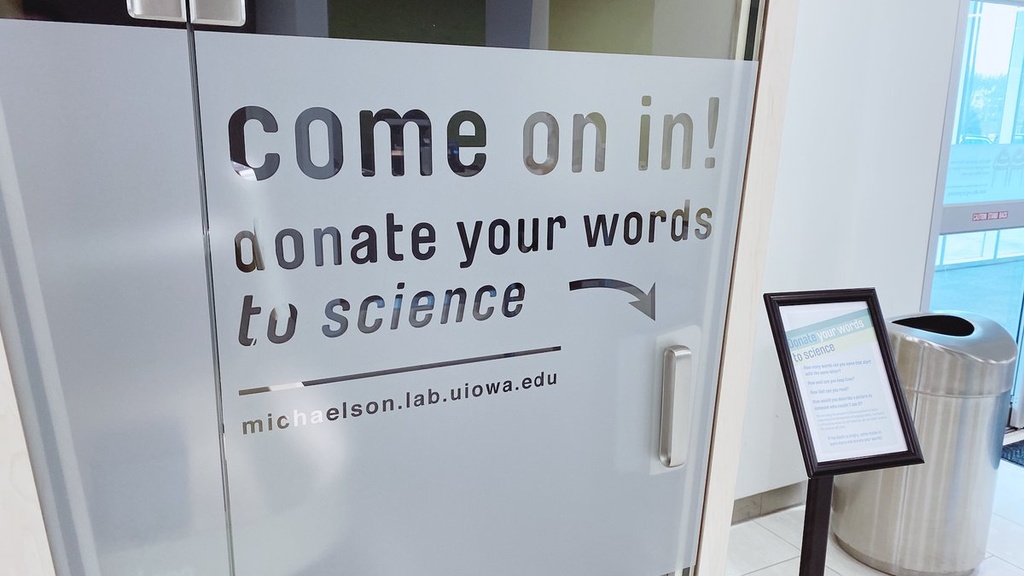
Language testing used to take two or more hours in a clinic. Our Lingo platform does it in minutes online, making genetic studies of language large enough to find small effects.

Learning and memory
With Ted Abel, we use single-cell and spatial transcriptomics to see how neural activity becomes lasting memory. Our deep-learning tool, Neuroestimator, reads neuron activation straight from gene expression.

Health data
The Neurodiversity and Mental Health Knowledgebase brings de-identified clinical records together for research on brain health.
Recent findings
What we've found
Language
Language ability traces back to DNA that changed before humans and Neanderthals split.
Casten et al., Science Advances, 2026
SPARK · Risk genes
60 autism genes, five of them new, from one of the largest genetic studies of autism.
Zhou, Feliciano et al., Nature Genetics, 2022
Twice-exceptionality
Autistic youth with exceptional cognitive ability are more likely to have thoughts of suicide.
Casten et al., Neurobiology of Learning and Memory, 2023
Learning and memory
A deep-learning model can tell how active a neuron was from its gene expression alone.
Bahl et al., Nature Communications, 2024
Migration
The pull to migrate is partly genetic, and visible across 10,000 years of ancient DNA.
Casten et al., bioRxiv preprint, 2026